
Researcher Profile Form First National Pediatric Brain Tumor Research Meeting March 9, 2025 - Jerusalem
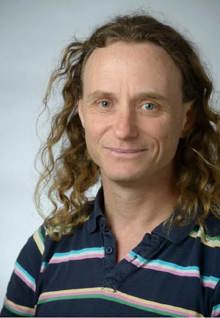
Researcher: Prof. Barak Rotblat
Current Role & Affiliation
Title/Position: Associate Professor
Institution: Department of Life Sciences, Ben-Gurion University of the Negev
Email: rotblat@bgu.ac.il
Phone: 058-6877280
Twitter: @BarakRotblat
Website: https://barakrotblat.wixsite.com/rotblatlab
Prof. Rotblat leads research on the biological pathways tumor cells activate or repress for their benefit, with a focus on medulloblastoma, neuroblastoma, and glioblastoma.
Research Focus
● Signaling pathways (mTOR, RAS, MYC, NRF2, p53)
● Cell metabolism and metabolic stress
● Small and long noncoding RNA
● Protein folding in mitochondria
Current Projects Related to Pediatric Brain Tumors
● Study of metabolic adaptations in tumor cells
● Investigation of mitochondrial chaperones in tumor metabolism
● Research on drug resistance and immune evasion in pediatric brain tumors
Laboratory/Research Resources
● Gene manipulation tools (CRISPR, shRNA, siRNA)
● Polysome profiling and RiboSeq for translation studies
● Network analysis and clinical data informatics
Collaboration Interests
● Tumor cell metabolism research
● Translational studies for therapeutic development
What You Can Offer Potential Collaborators
● Expertise in cancer signaling pathways
● Advanced gene manipulation techniques
Selected Publications
1. Badarni M, et.al. Gene Expression and Drug Sensitivity Analysis of Mitochondrial Chaperones Reveals That HSPD1 and TRAP1 Expression Correlates with Sensitivity to Inhibitors of DNA Replication and Mitosis.Biology (Basel). 2023 Jul 11;12(7):988.
2. Galai G, et.al. Ecological network analysis reveals cancer-dependent chaperone-client interaction structure and robustness.Nat Commun. 2023 Oct 7;14(1):6277. doi: 10.1038/s41467-023-41906-2.
Keywords
Cancer Signaling, Metabolic Stress, RNA Biology, Tumor Metabolism
Brief Bio
Prof. Barak Rotblat investigates how tumor cells manipulate biological pathways to thrive in hostile environments, focusing on metabolic stress, RNA biology, and protein folding in mitochondria. His work spans various cancers, including medulloblastoma, neuroblastoma, and glioblastoma.